Essential Guide to Commercial Glass Repair for DFW Building Owners
Managing a commercial property in the DFW area means dealing with a lot of moving parts. Between tenant requests, HVAC maintenance, and parking lot repairs, window and glass issues can sometimes slip down the priority list. But when a storefront cracks or a double-pane window fogs up, it is not just a cosmetic problem. It affects security, energy costs, and the overall impression your building makes. Over the years working in the fenestration industry, I have seen how a solid approach to commercial glass repair can save property managers thousands of dollars and a lot of headaches.
Why Commercial Glass Repair Differs from Residential Work
Many people assume fixing a window is the same whether it is a house or a high-rise. That is not the case. Commercial glass repair involves thicker materials, stricter building codes, and often more complex framing systems. A residential window might use standard annealed glass, but a commercial storefront typically requires tempered glass or laminated glass for safety and durability. The stakes are higher, too. A broken pane in a retail storefront can invite break-ins or cause injury to pedestrians. That is why OSHA safety standards play a big role in how we approach shattered window repair. You cannot just slap in a piece of glass and call it done. The installation must meet code, and the materials must be rated for the specific application.
One distinction that often comes up is auto glass versus architectural glass. Auto glass is usually a tempered, laminated product designed to withstand impacts and shatter in a specific way. Architectural glass, on the other hand, has to handle wind loads, thermal stress, and sometimes even blast resistance. When a client calls me about a broken window in their DFW commercial real estate property, the first thing I do is figure out what type of glass we are dealing with and whether it is part of a larger system like an insulated glass unit (IGU). That distinction determines the entire repair approach.

Common Issues That Demand Professional Attention
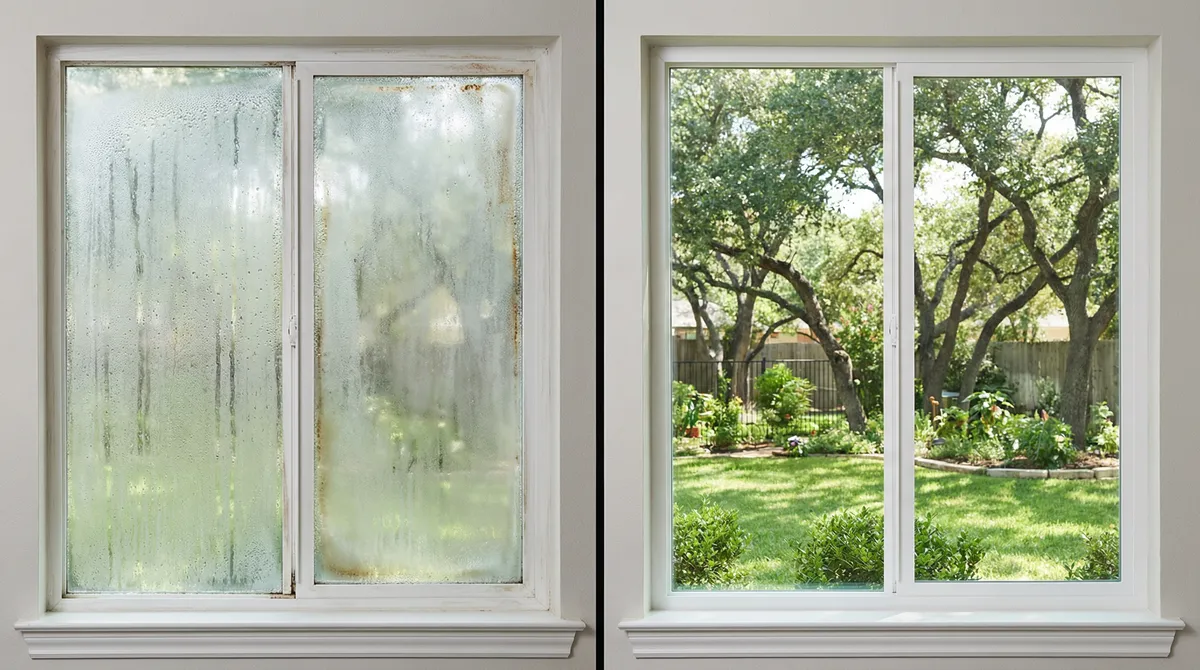
Foggy glass is one of the most frequent complaints I hear. It happens when the seal on an IGU fails, allowing moisture to get between the panes. The result is a cloudy, unsightly appearance that makes even a well-maintained building look neglected. IGU replacement is often the only permanent fix. Some companies offer a defogging service, but in my experience, replacing the unit with a properly sealed one from a reputable supplier like IGlass or using Thermoseal Group components gives much better long-term results. Warm Edge Spacers, for example, reduce condensation around the edges of the glass and improve thermal performance. That is a detail most tenants will never notice, but it shows up on their energy bills.
Another common issue is impact damage. Whether from a delivery cart, a stray baseball, or severe weather, cracked glass needs prompt attention. Tempered glass is designed to break into small, blunt pieces rather than dangerous shards, but once it is cracked, the entire panel usually needs replacement. Laminated glass, which has a plastic interlayer, can hold together after an impact and is often used in doors and areas near the ground. For high-traffic storefronts, impact-resistant glass is a smart upgrade. It costs more upfront, but it reduces the frequency of shattered window repair calls and improves safety for everyone inside and outside the building.
The Role of Building Codes and Safety Standards
Every commercial glass repair project in the DFW area must comply with local building codes and federal safety regulations. These codes specify minimum glass thickness, the type of framing required, and where tempered or laminated glass must be used. For example, glass within 18 inches of a door or within 24 inches of the floor usually has to be tempered. OSHA safety standards also come into play, especially when work is done at height or near public walkways. Ignoring these requirements can lead to fines, failed inspections, or liability if someone gets hurt. I always recommend working with a company that understands these rules inside and out. A free estimate is a good way to start that conversation, but make sure the estimator actually checks the existing conditions and asks about your specific needs.
Energy efficiency is another factor that overlaps with code compliance. Many newer commercial buildings in DFW are required to meet certain energy performance standards. Double-pane windows with low-e coatings and argon gas fill are common. When you replace a single pane in a multi-pane unit, the performance of the whole assembly can suffer if the replacement glass is not matched correctly. That is where custom glass fabrication becomes important. A good fabricator can replicate the original unit's specifications, including the type of glass, the spacer system, and the sealant. Silicone sealant is often used for structural glazing because it bonds well and stays flexible under thermal movement. Glass wool insulation might be used in the framing to reduce heat loss. These details matter, especially in a climate where summer temperatures routinely hit triple digits.
What to Expect During a Commercial Glass Repair
When you call for commercial glass repair, the process usually starts with an assessment. A technician inspects the damage, measures the opening, and checks the surrounding frame for rot, corrosion, or other issues. If the damage is limited to the glass itself, the repair can often be done in a single visit. But if the frame is compromised or the IGU needs replacement, it may take a few days to source the right materials. That is one reason why it pays to have a relationship with a supplier who stocks common sizes and profiles. Companies like IGlass offer a wide range of standard and custom options, which can speed up the turnaround significantly.
During the actual repair, safety is the top priority. The old glass is removed carefully, especially if it is shattered. The frame is cleaned and prepped. New glass is set with proper shims and spacers, then sealed with silicone sealant. For storefront glass, the technician will also check the locking mechanisms and weatherstripping to make sure everything works properly. After the installation, the area is cleaned up, and the work is inspected to ensure it meets code. A reputable company will also provide a warranty on both materials and labor, which gives you peace of mind.
Planning for the Long Term
Preventive maintenance is the best way to avoid emergency repairs. Simple steps like inspecting seals annually, cleaning frames to prevent corrosion, and addressing small cracks before they spread can extend the life of your windows. If you manage a large property or a portfolio of buildings, consider setting up a scheduled maintenance program with a glass repair specialist. They can catch issues early and perform IGU replacement or sealant renewal before problems become emergencies. That approach saves money and keeps your tenants happy.
Commercial glass repair is not something to put off. A cracked pane or a fogged unit affects your property's curb appeal, energy efficiency, and safety. By understanding the materials, codes, and best practices involved, you can make informed decisions that protect your investment. Whether you need a quick shattered window repair or a full storefront upgrade, working with a knowledgeable local provider who offers a free estimate is the smart first step. And if you are in the DFW area, you have access to some of the best resources in the fenestration industry, from custom glass fabrication to advanced spacer technology. Take advantage of that expertise, and your building will look better and perform better for years to come.
Ends · BDJ68X9V11